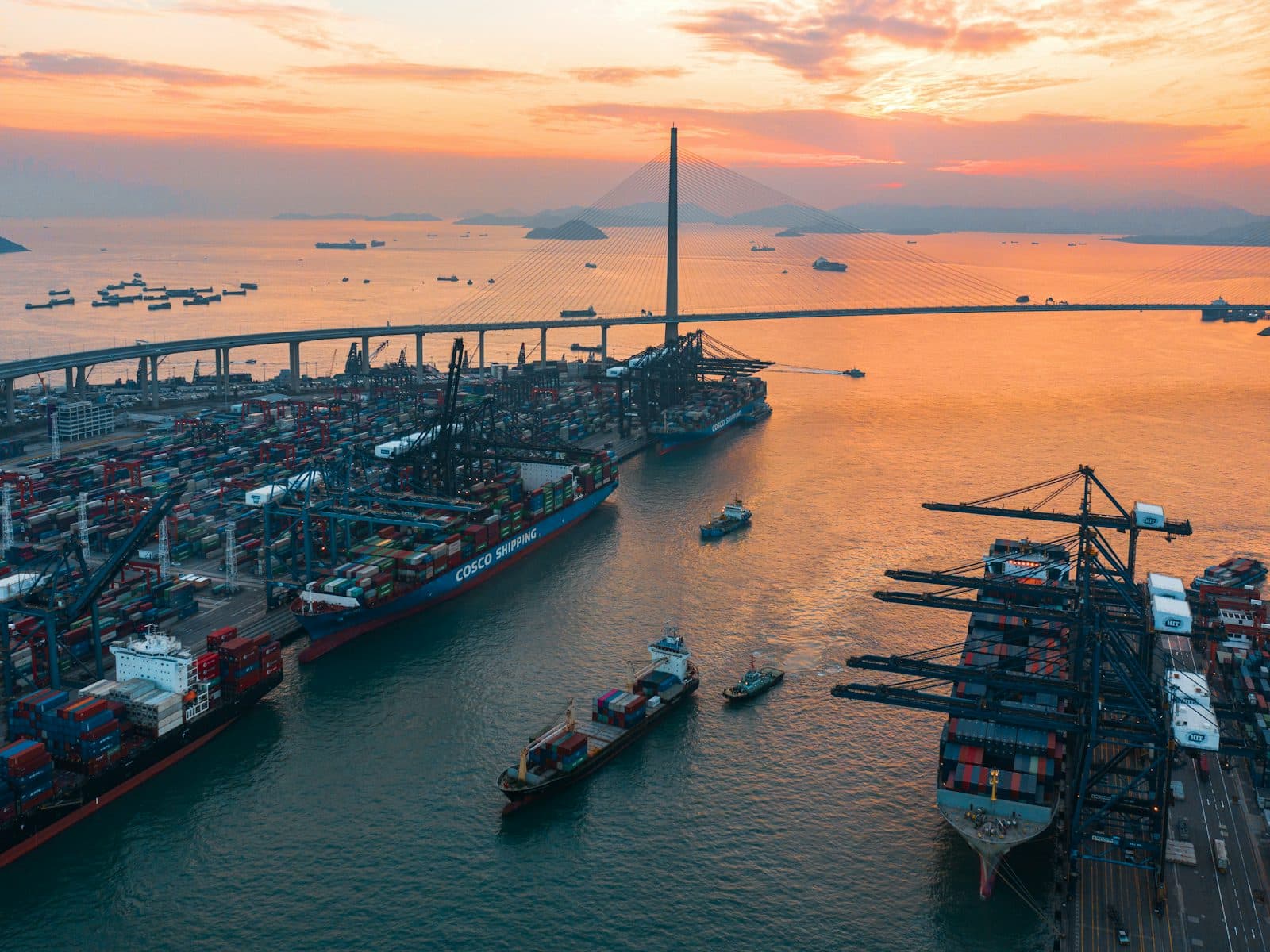
Non-Vessel Operating Common Carrier
A Non-Vessel Operating Common Carrier sells ocean transport services like a shipping line, but does not own or operate the vessels it books. An NVOCC buys space from the actual carriers — the shipping lines — and resells it to shippers under its own terms and rates. This intermediary role makes NVOCCs a close cousin to freight forwarders, and many forwarding companies also hold NVOCC licences.
NVOCC vs. Freight Forwarder
The key distinction is the bill of lading. A freight forwarder typically acts as an agent for the shipper; an NVOCC acts as a principal and issues its own house bill of lading (HBL) to the shipper. The NVOCC then rides beneath the carrier's master bill of lading (MBL). This means the NVOCC takes on contractual liability for the carriage, whereas a forwarder acting purely as agent does not.
Licensing and Regulation
In many jurisdictions NVOCCs must hold specific licences. In the United States, NVOCCs must be licenced by the Federal Maritime Commission (FMC) and post a financial bond. In India, NVOCCs are regulated under the Multimodal Transportation of Goods Act.